Caught in the feed: design, not willpower, drives kids' screen time
The Norwegian Media Authority has studied how 1,753 children and teenagers actually use social media, and its conclusion is unusually blunt: individual choice can't explain the usage patterns on its own. These services are designed to keep users locked to the screen, and they're worryingly good at it.
The Norwegian Media Authority's report Fanget i feeden (caught in the feed) finds that design, endless scrolling, variable rewards, notifications and streaks, shapes kids' use more than their own choices do. The TikTok users in the sample watched 200 to 400 videos a day, and 28 per cent say social media cuts into their sleep. The report wants the responsibility moved from the kids to the platforms.
What the report found
On 20 February 2026, the Norwegian Media Authority published Fanget i feeden (caught in the feed), built on survey answers from 1,753 children aged 9 to 18 plus something nobody had seen before: usage logs from teenagers' own accounts, donated by the teenagers themselves. The numbers paint a stark picture:
- The TikTok users in the sample watched between 200 and 400 videos a day, spread across 15 to 20 sessions. Most sessions lasted under five minutes, with eight to twelve minutes between them. I call these “micro sessions”: each one feels like nothing, which is exactly how the total climbs to several hundred videos.
- On Snapchat, activity peaked straight after school and late in the evening, and plenty of users were still going well into the night.
- 51 per cent of the 9 and 10 year olds were on social media despite the age limit of 13.
- 28 per cent said social media cuts into their sleep.
- 29 per cent, more than one in four, wished they logged off more often. Among the 9 and 10 year olds, that share has more than doubled in two years, from 10 to 22 per cent.
The conclusion matters more than any single number. The Media Authority writes that these patterns can't be explained by the kids' individual choices alone. The mechanisms it points to are the same ones that make up the loop the apps are built around: endless scrolling with no natural stopping points, unpredictable rewards, notifications and streaks.
And look closely at who's saying what here. Nearly a third of these kids want out of the feed more often than they manage to get out. A child who wants to log off and can't isn't a child short on willpower. It's a child up against something built to win. It's also common ground at home: chances are the two of you want the same thing.
Moving the responsibility off the kids
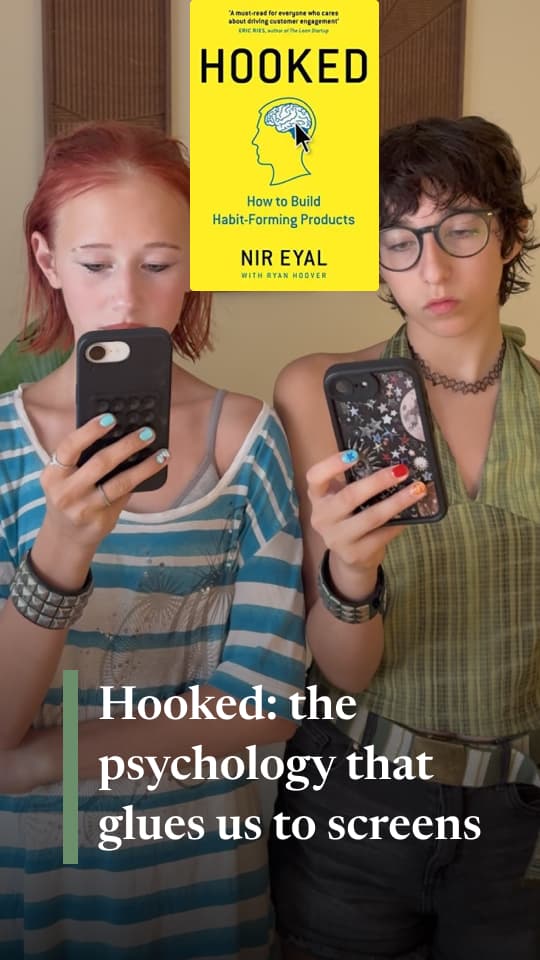
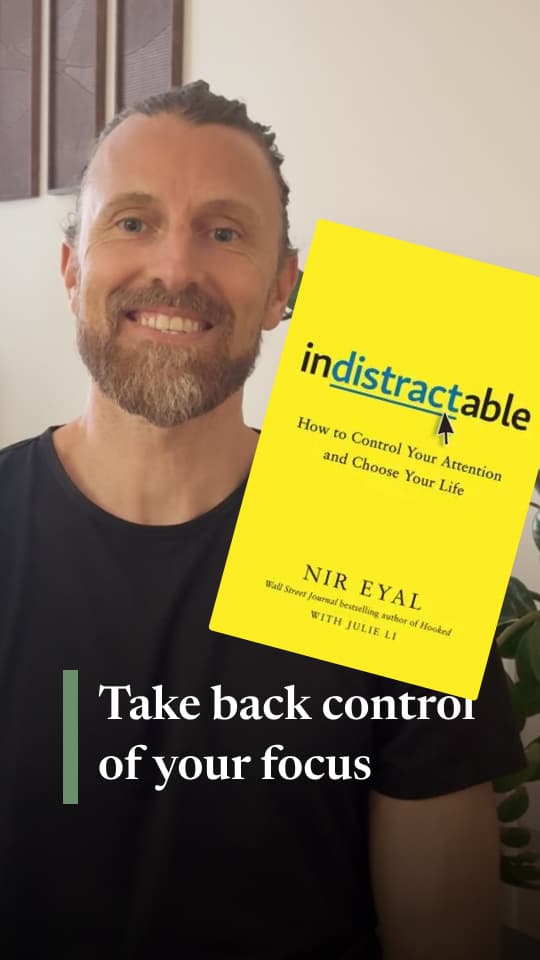
The report's recommendation is to shift responsibility from children and parents to the platforms: clear government rules on which attention mechanisms may be aimed at children, and the EU's rules for digital services written into Norwegian law. That will take time. At home, you don't have to wait. I've taken apart the mechanisms the report describes in Hooked: the psychology that glues us to screens, and the moves for reclaiming your own focus are in the article on becoming “indistractable”.
Closing thoughts
Your child isn't choosing badly. I'm a grown man of 46, and the only way I stay out of the feed is deleting the app. When a state regulator concludes that design steers harder than willpower does, we can stop treating screen time as a character flaw in our kids. The shame belongs with the design, not with the child.
Some of this design can be turned off. The tool below walks through the TikTok settings that hand you back the feed.
Which app are we fixing?
Know a parent who thinks their child's screen time comes down to willpower? Send them this.
Sources
Comments
No comments yet. Be the first to say what you think.


 TikTok
 Roblox
 Snapchat
 Minecraft
 Fortnite
 YouTube
 Mudita Kompakt
 Kindle Scribe
 Smiling Mind
 Opal
Opal Balance
 Homie
Homie