“Yeah yeah, I know”: repetition that helps kids
“Yeah yeah, I know” sounds like defeat. It's usually the opposite: a child who knows exactly what you're about to say already has your sentence in their head. The trick is repeating on purpose: calmly, spread out over time and with your cards on the table.

Repetition with gaps in between sticks. Things said once slip away. So repeat the core message in fresh wrapping, hang it on situations that keep coming back anyway, and be upfront that you'll keep repeating it until it sticks. Then give the nagging an off switch your child controls: “The day I see you doing it without a reminder, I'm done nagging about it.”
The competition you're actually in
We parents like to believe in The Big Talk: one good, calm conversation and the knowledge is delivered. Now look at the competition. The algorithm repeats its message every single day. Adverts repeat. Friends repeat. Nothing else in your child's information diet ever says anything just once.
You're not up against one conversation. You're up against a thousand repetitions. For your knowledge to stand a chance, it has to reach your child as often as the noise does. Not louder. Not angrier. More often.
Why repetition works
This isn't just parenting theory; it's the most solid finding memory research has. What comes back again and again, with gaps in between, sticks. What's said once slips away.
- The spacing effect: knowledge repeated over time, with gaps, is remembered dramatically better than the same knowledge delivered in one sitting. Several hundred studies say so, summed up in Cepeda and colleagues' meta-analysis.
- Mere exposure: what we meet often becomes familiar, and what's familiar feels true and safe (Zajonc). It's why the feed keeps repeating itself.
- Varied repetition persuades; word-for-word repetition wears thin (Cacioppo and Petty). Same message, new wrapping.
Nagging with your cards on the table
So what do you do when the “yeah yeah, I know” arrives? Tell it like it is. Kids can take honesty about the project itself, and they appreciate it.
Openness does something lovely to the dynamic: the nagging stops being friction and becomes a running joke. “Yeah yeah, I know”, said with half a smile, isn't rejection. It's a child who knows exactly what you're about to say. Which is the whole point. The message is already in there, doing its work.
“Yeah yeah, I know” is the receipt: message received, currently being processed.
Two things separate repetition that teaches from the nagging we're all trying to avoid. First: repeat knowledge, not criticism. “Your brain needs breaks with no input” can survive a hundred repetitions. “You're on your phone again” can't survive one. Second: the reason rides along every time, because rules without reasons just breed resistance.
Writing that bit about knowledge, not criticism, I felt a twinge of shame. I'm guilty of packing far too much criticism into my deliveries, and my teenage daughter returns fire when I do. Must do better.
Talking with your kids
“I know you're tired of hearing it. I'm going to keep saying it anyway, every now and then, until it sticks. Not because I think you're slow, but because your brain hears a thousand other things a day, and I want this to be one of the things that stays. And you decide when the nagging ends: the day I see you doing it on your own, I'm done nagging about it.”
Closing thoughts
The goal isn't a child who says “fascinating, dad” on the twelfth repetition. The goal is nagging that slowly turns into understanding, into knowledge your child owns. And if you're running low on reasons worth repeating, there are plenty in the articles on why it's good to be bored and the science of good sleep.
The toolbox
Three steps for nagging right.
Know a parent who's given up because their child “never listens”? Send them this.
Sources
- Cepeda mfl. (2006): Distributed practice in verbal recall tasks, meta-analysis, Psychological Bulletin ↗
- Zajonc (1968): Attitudinal effects of mere exposure, Journal of Personality and Social Psychology ↗
- Cacioppo & Petty (1979): Effects of message repetition and position on cognitive response, recall, and persuasion, Journal of Personality and Social Psychology ↗
Comments
No comments yet. Be the first to say what you think.






 TikTok
 Roblox
 Snapchat
 Minecraft
 Fortnite
 YouTube
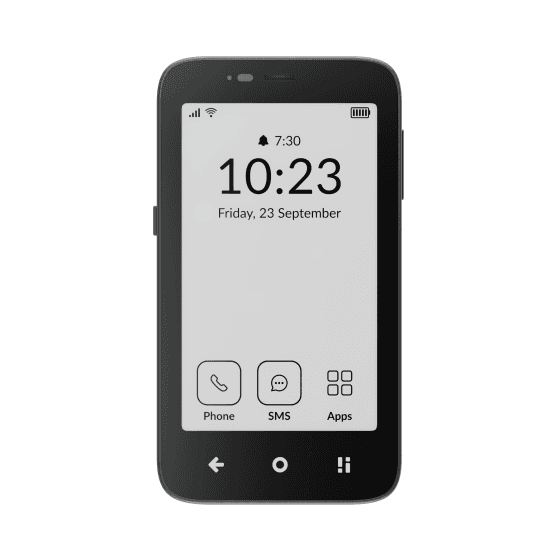 Mudita Kompakt
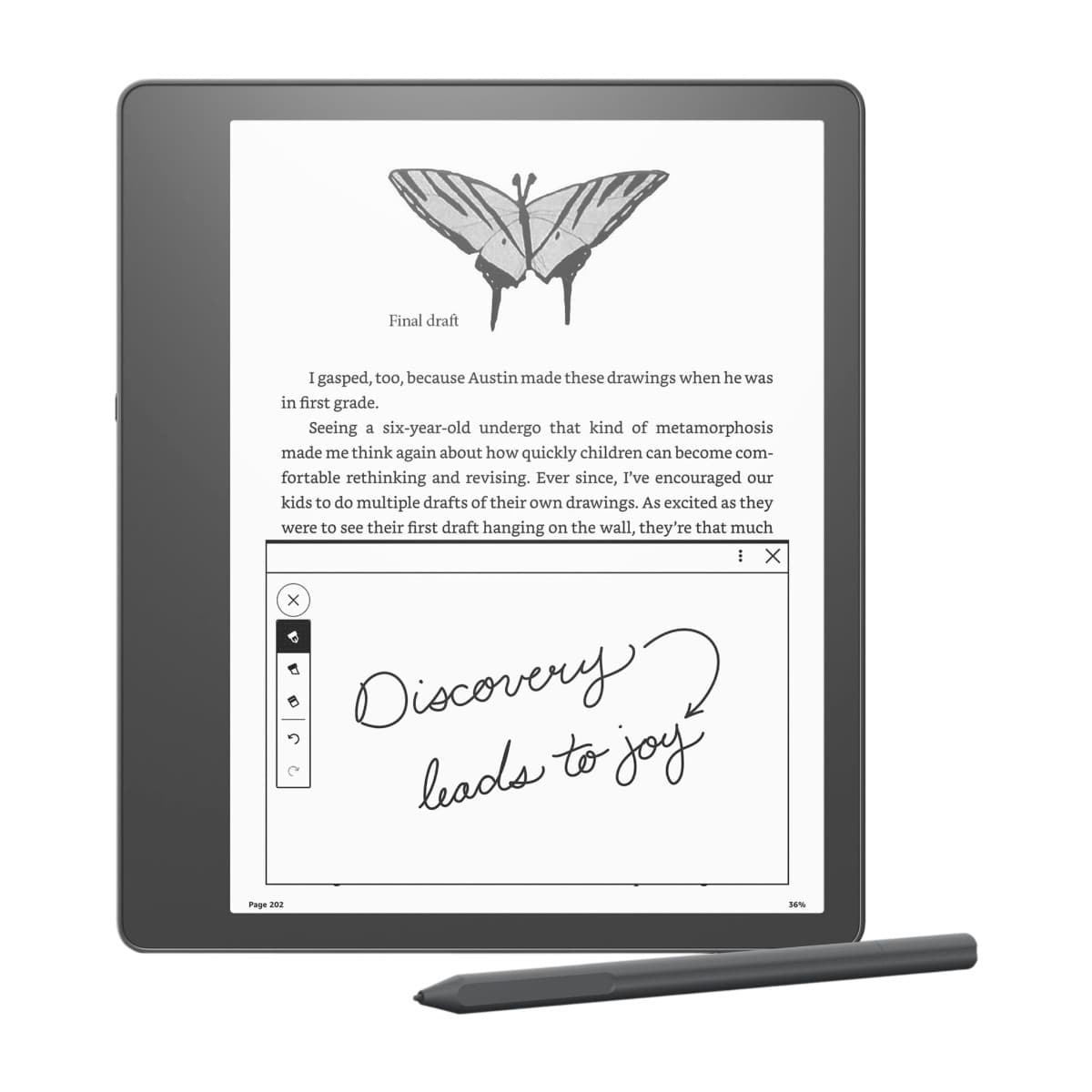 Kindle Scribe
 Smiling Mind
 Opal
Opal Balance
 Homie
Homie