Screens and language: two year olds with more screen time know fewer words
Two year olds who spend a lot of time on screens know fewer words than their peers. That's what language researchers at the University of Oslo found in a study of 1,442 Norwegian toddlers, and a British study covered by the newspaper VG points the same way. The lovely thing about this research: its clearest advice is one of the nicest parts of life with small children. Read aloud, more.
Language researchers at the University of Oslo followed 1,442 Norwegian toddlers. The two year olds with more daily screen time knew fewer words than their peers, while the one and two year olds who were read to a lot knew more. A British study covered by VG points the same way. These are correlations, not proven cause, but the advice they lead to is a pleasant one: read aloud more.
What the Norwegian researchers found
Language researchers at the University of Oslo followed 1,442 Norwegian children between 12 and 24 months, asking parents how much their children were read to, how much time they spent on screens and which words they understood and said themselves. Two patterns stood out. One and two year olds who were read to a lot had bigger vocabularies than their peers. And the two year olds who spent more time on screens each day knew fewer words than those who spent less. The study, led by language researcher Audun Rosslund, is published in the Journal of Child Language.
Two details are worth a pause. For the one year olds there was no link between screen time and vocabulary at all; the gap appeared at age two. And reading aloud seemed to matter most in the families where the mother had the least education. The move that helps most is open to everyone.
The British finding points the same way
VG, one of Norway's biggest newspapers, has covered the British study “Children of the 2020s”, which asked more than 4,700 parents of two year olds in England about their children's everyday lives. Same pattern, and the numbers are worth a look: the two year olds with the most screen time managed 53 per cent of the words on a vocabulary test, against 65 per cent for those with the least. Twice as many of the heaviest users showed signs of emotional and behavioural difficulties. And the average was 129 minutes of screen a day, more than double what the WHO recommends at that age.
Now for the important brake: both studies show correlations, not proven cause. Some of the arrow may well point the other way, with children who struggle a little with language being handed a screen more often. The researchers say so themselves, and so should we.
Why language, of all things
Language is built through interaction: a face that responds, turn-taking, pointing and naming, over and over again. A two year old doesn't learn words from hearing them stream past, but from using them with someone. Screen hours come out of a day that's already full, and for the youngest, what they usually crowd out is precisely these small exchanges. That's why the Norwegian Directorate of Health recommends zero screens before the second birthday, the one exception being short video calls with people the child knows. Got a nursery-age child? The advice and the app criteria are gathered in the guide for 2 to 5 year olds.
Closing thoughts
My girls are 12 and 15, so the picture books left our shelves long ago. But if I could give new parents one piece of advice from this research, it wouldn't be to count screen minutes with a guilty conscience. It would be to give reading aloud a fixed slot in the bedtime routine, as natural as brushing teeth. Do that and much of the screen arithmetic takes care of itself, because time claimed by a book is time the screen never gets. And unlike most of what's on the advice list for parents of small children, this is a move most of us genuinely look forward to.
Know someone with a one or two year old at home? Send them this, not as a wagging finger but as good news: the most important move is a bedtime book.
Sources
- Universitetet i Oslo (pressemelding): Avslører sammenhenger mellom høytlesning, skjermtid og språkutvikling hos norske småbarn ↗
- Children of the 2020s (2026): Home learning environment and screen time at age 2, research brief, UCL / Department for Education ↗
- VG: Skjermbruk kobles til svakere språk og atferdsutfordringer hos toåringer ↗
- Helsedirektoratet: Barn under 2 år bør unngå skjerm ↗
Comments
No comments yet. Be the first to say what you think.



 TikTok
 Roblox
 Snapchat
 Minecraft
 Fortnite
 YouTube
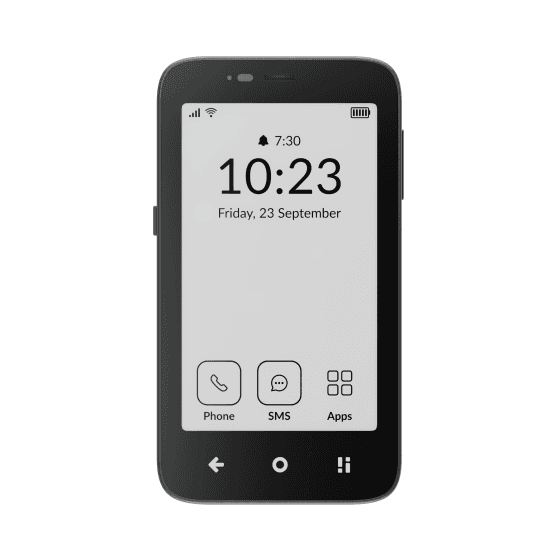 Mudita Kompakt
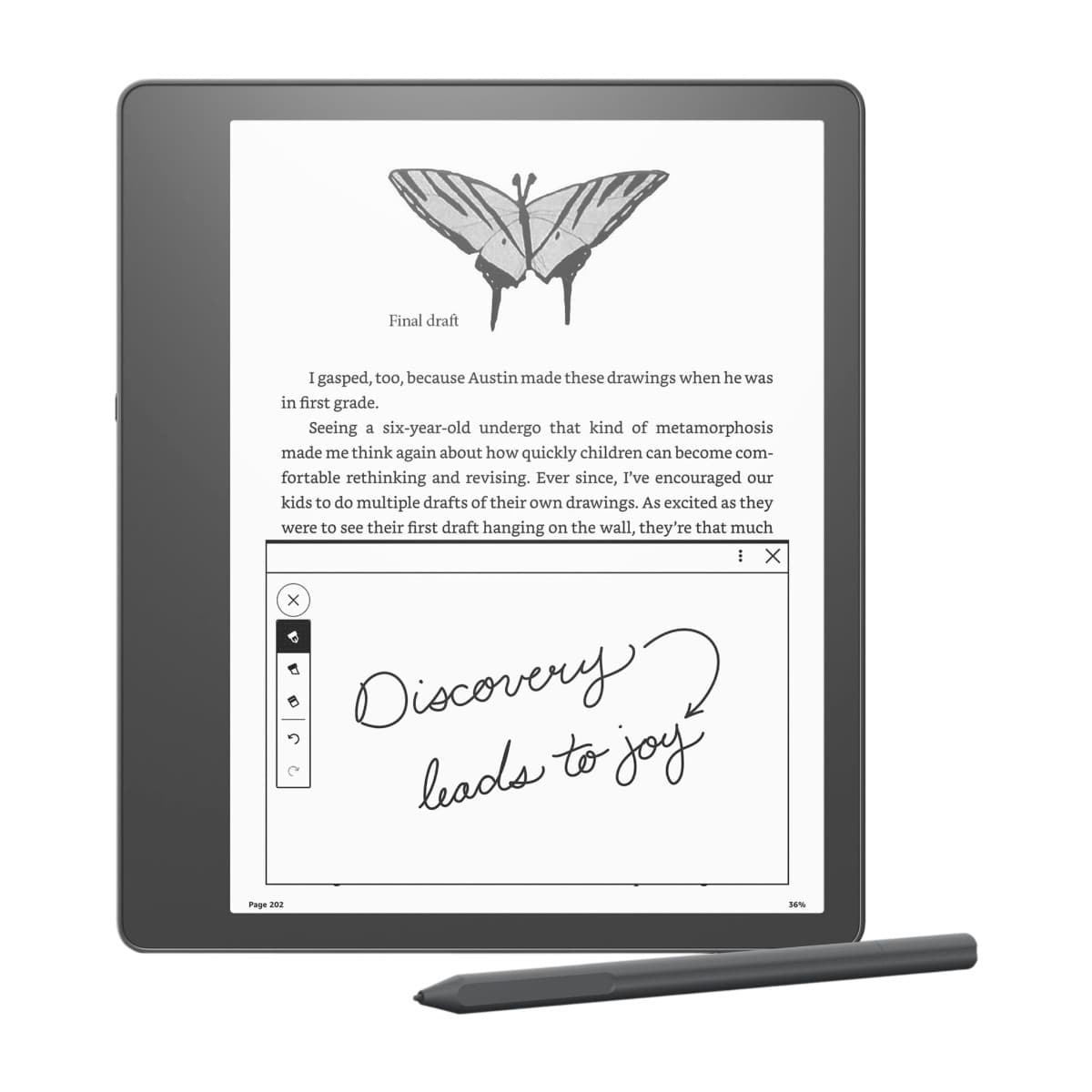 Kindle Scribe
 Smiling Mind
 Opal
Opal Balance
 Homie
Homie