The science of good sleep
Sleep has fascinated me since I first learnt about sleep cycles some 15 years ago. Most people know by now to turn down the lights and put the screens away an hour before bed. Reading Why We Sleep taught me a great deal more, and I want to share the best tips and fun facts with you.
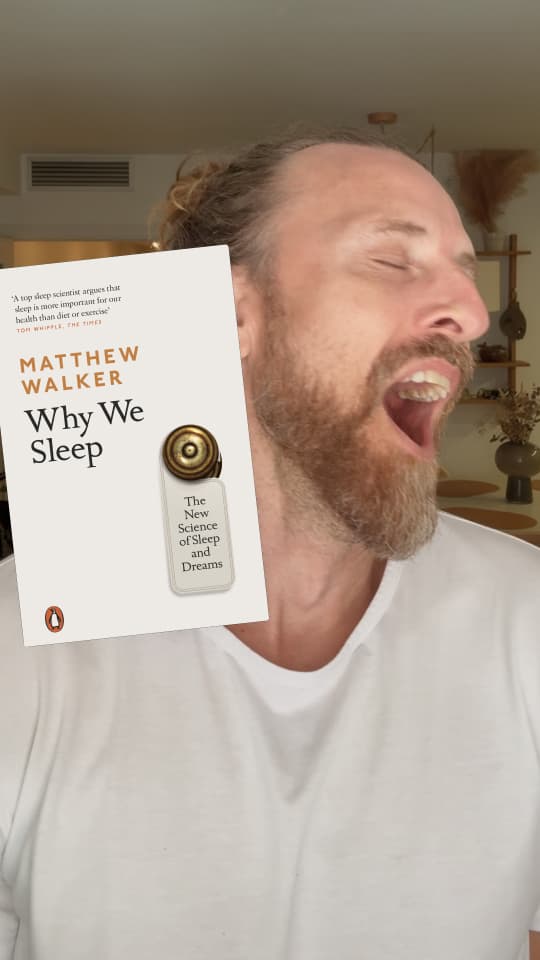
Matthew Walker's Why We Sleep is about why sleep is the most important thing we do. The biggest win is a steady rhythm: bed and wake-up at the same time every day, ideally weekends too. Core body temperature matters too, so a warm shower (yes, warm) and a cool bedroom around 18 degrees both help. Caffeine and alcohol do more damage to sleep than most people realise, and screen light holds back the sleep hormone melatonin. The book, and this article, give you the moves that help the whole family sleep better.
Two things have to line up: sleep pressure and the body clock
Two things have to line up before you fall asleep, and they work independently of each other. The first is a pressure that builds in your brain from the moment you wake up, a substance called adenosine. The longer you're awake, the higher the pressure and the heavier the eyelids. Walker calls it “sleep pressure”. The second is your circadian rhythm, the internal clock that runs its own lap of roughly 24 hours and decides when you get sleepy, when hormones are released and when your body temperature drops.
A steady rhythm, weekends included
Walker knows perfectly well his book can make him unpopular. Most of us like to let things slide a bit at the weekend, and plenty of us pay for it on Monday, sometimes Tuesday too. The single best thing for your sleep is going to bed and getting up at the same time every day, weekends included.
The body clock settles when the days look alike. Sleep two hours longer on Sunday and you've effectively flown two time zones west, with the return flight due Monday morning. That's why Sunday night so often ends in tossing and turning: your body simply isn't ready at your usual bedtime.
Rhythm counts for more than you'd think. Researchers followed more than 60,000 adults and found that a steady daily rhythm predicted who stayed healthy and lived long better than the number of hours slept.
Teenagers have it extra hard here. The body clock shifts in the teenage years towards a naturally later rhythm, so a teenager going to bed and getting up later than their parents is doing exactly what biology asks. School still drags them out of bed early, so spare a little extra sympathy for your tired teen. Sleeping until midday at the weekend to catch up is understandable, but it also makes Monday morning even harder.
Sleep cycles
Sleep doesn't run evenly through the night. It moves in cycles of about an hour and a half, from light sleep down into deep sleep and back up. At the top of each cycle you're barely below the surface, which is typically when you turn over, and sometimes briefly wake, during the night.
Each cycle holds two completely different kinds of sleep, each with its own job. Deep sleep, most plentiful early in the night, is the body's maintenance shift: it repairs the physical side and fixes what you learnt during the day so it's still there tomorrow. Through the second half of the night and towards morning, dream sleep (REM sleep) takes over more and more. It processes feelings and impressions and weaves what you've experienced into everything else you know, turning loose threads into understanding and new ideas. Roughly put, deep sleep builds the body and dream sleep builds the mind. You need both, and because they arrive in that order, dream sleep is what you lose most of when you cut the last hours of the night.
For children, the stakes are higher still. They don't sleep just to rest; they sleep to build the brain, and they need more of both kinds than we adults do. That's why children who've slept too little aren't just tired. They find it harder to learn.
It also explains something most of us will recognise: how you wake matters almost as much as how long you've slept. Get dragged up by an alarm in the middle of deep sleep and the heaviness can hang around for hours. Wake towards the end of a cycle, in light sleep, and the transition nearly takes care of itself. So slightly less sleep can sometimes buy you an easier morning than slightly more. Seven and a half hours, timed so you surface between two cycles, can beat eight and a half interrupted mid deep sleep. You also tend to wake naturally at the top of a cycle after around seven and a half hours, and then you're better off getting up than sleeping “a little longer”, even if the alarm clock would allow it.
How much sleep do we actually need
So how much is enough? An expert panel convened by the American National Sleep Foundation reviewed the research and landed on numbers by age: a baby needs 12-15 hours, a preschooler 10-13, a school-age child 9-11 and a teenager 8-10. Adults get by on 7-9. Needs vary, hence the wide bands. The takeaway that matters: your child needs more sleep than you do, and quite a bit more than a busy family week tends to allow. The best thing you can do for your child is a fixed bedtime with room for enough sleep on ordinary days.
Short sleep hits the immune system surprisingly hard, surprisingly fast. In one experiment, researchers tracked the sleep of just over 160 healthy adults for a week, then dripped cold virus into their noses. Under six hours a night meant more than four times the risk of catching a cold, compared with seven hours or more. Your immune system does much of its work while you sleep; cut the sleep and you cut some of the work. Walker goes as far as advising you to postpone a vaccination after a bad night's sleep, since the effect can be considerably weaker on a day your immune system is down.
Maybe you're thinking you're the exception, thriving on 5-6 hours. A vanishingly small number of people genuinely are: researchers at the University of California have found a handful of families with a rare gene variant that lets them sleep short without paying for it. It's so rare that most of us will never meet anyone who carries it. Nearly everyone who believes they need little sleep has simply grown used to getting too little, and Walker's view is that adjusting up to 7-9 hours could add years to their lives.
Walker has taken criticism for stretching some numbers further than the studies carry. But the moves in this article, steady rhythm, temperature, caffeine, alcohol and evening light, sit among the best documented parts of sleep science.
Coffee fools the pressure gauge
Caffeine doesn't give you energy. It parks itself in front of the adenosine, the sleep pressure, so your brain stops registering the pressure that's already there. The tiredness isn't gone, just drowned out for a while. And caffeine is in no hurry.
The midday nap
Then there's the post-lunch dip, the one you might be chasing off with the day's third cup. Blaming a small food coma is tempting, but it's not the main cause. The body clock has a built-in slump early in the afternoon, and it arrives whether you've eaten or not. Walker reads the dip as a trace of our original sleep pattern: one long sleep at night and a short nap in the middle of the day. Researchers who followed hunter-gatherer peoples in Tanzania and Namibia, people who've never had a morning meeting in their lives, found exactly that pattern: one block at night, often a nap at midday.
The same nap survives in Greek culture. When researchers followed more than 23,000 Greek adults, the ones who kept their midday rest died less often of heart disease than the ones who'd given it up. The body wants that pause.
Alcohol takes the dream sleep
A glass of wine in the evening makes you drowsy, and plenty of people do fall asleep faster with alcohol on board. But what follows isn't ordinary sleep. Alcohol sedates the brain more than it lulls it, and as the night goes on, sleep turns light and restless, broken by small awakenings you won't remember in the morning. Dream sleep (REM), which belongs to the second half of the night, takes the worst of it. You can sleep eight hours and wake up feeling like you got six.
With a teenager in the house the topic raises itself sooner or later, usually after the first parties, when someone insists you sleep like a log after a few beers. Worth having the answer ready: “You do fall asleep fast, but it's closer to sedation than sleep. Through the night you keep half-waking without noticing, and the dream sleep, the kind that leaves your head fresh the next day, gets cut. That's why nine hours in bed after a party can still leave you exhausted.”
Your body needs to cool down to fall asleep
This is the one that actually changed my own evenings. To fall asleep, your core body temperature has to drop by about one degree. That drop is the very signal the brain is waiting for: night has arrived. Anything that helps your body shed heat helps you fall asleep.
Which is why a warm shower before bed works, backwards as it sounds. The warmth opens the blood vessels in your skin, your hands and your feet, and when you step back onto the bathroom floor, the heat escapes and your core temperature falls faster than it otherwise would. Researchers who reviewed the studies on this found that a warm bath or shower an hour or so before bedtime got people to sleep almost ten minutes faster.
The bedroom runs on the same logic. Walker recommends around 18 degrees, cooler than most of us keep it. An overheated room is one of the most common reasons kids and adults alike lie tossing and turning. It should feel slightly cool as you slip under the duvet.
The warm shower doesn't make you sleepy by warming you up, but by helping your body cool down afterwards.
Food and exercise
Skip the heavy meals late in the evening, so your body isn't mid-shift when you're trying to fall asleep. When researchers asked 793 young adults about meals and sleep, those who ate within three hours of bedtime woke during the night more often than those who ate earlier. A light evening snack is harmless. It's the big, late dinner that costs you.
On exercise, the research is kinder than the rumour. A review of 23 studies found that evening exercise doesn't ruin sleep at all; if anything, it added a little deep sleep. The exception is a hard session ending less than an hour before bed: then falling asleep takes longer and the sleep is less efficient. You already know the reason from the shower: pulse and core temperature need that hour to come back down.
And then there are the screens
The problem with the phone in the last hour before bed, and in bed, isn't just the often busy content. It's the light. The body clock sets itself by light: bright means day, dark means night. As it gets dark, the brain releases melatonin, the hormone that declares the night open. Bright light in the evening, especially close to your face, holds that message back.
Researchers at Harvard had the same people read on glowing tablets before bed for five evenings and on paper for five others. The tablet evenings pushed melatonin back by about an hour and a half; the readers felt less sleepy in the evening, took longer to fall asleep and woke more tired. For kids and teens the picture is unusually clear: a large review of the research found screen use linked to shorter or poorer sleep in nine studies out of ten.
If your family doesn't have a screen-free hour before bedtime yet, it's one of the steps I recommend most warmly. It tends to do good things for focus and family time as well. Set clear limits around screen use, let the phone sleep outside the bedroom, and a big part of the job is done.
Worrying about sleep keeps you awake
There's a trap waiting after advice like this: lying in your cool room after your warm shower, monitoring whether it's working. You'd be in good company. When sleep problems drag on with no other clear cause, researchers point to worry about sleep itself as the most common culprit. A few bad nights is all it takes. You start worrying about whether you'll sleep, and the worry keeps you awake. Colin Espie, a sleep researcher at the University of Oxford, describes sleep as something the body does entirely by itself, like breathing or swallowing. Good sleepers don't try to fall asleep.
So if you wake in the middle of the night: don't look at the clock. The maths that follows (“four hours left, I'll be useless in that meeting tomorrow”) will wake you more thoroughly than anything else. Lying still in the dark with your eyes closed is rest too. Let sleep come when it comes.
If you're still wide awake after a good while, say 20 minutes or more, sleep therapists advise getting up for a bit. A chair in another room, dim light, ideally a boring book, and back to bed only once you feel sleepy. The point is to stop your brain learning that bed is where you lie awake churning. Bed should mean sleep. The advice has been standard in sleep treatment since the seventies, and a 2024 meta-analysis confirms it works.
We can put the same pressure on our kids without meaning to. “Go to sleep now, or you'll be tired tomorrow” teaches a child to lie there monitoring whether sleep is on its way. Try this instead: “You don't have to sleep. Just lie here and rest, and sleep will come by itself.” Same move as for the adults: drop the demand.
How to calm a busy head in the evening
Here comes possibly the least revolutionary advice in this whole article: turn down the lights and read a book for an hour or so before you want to sleep. Practise waving busy thoughts through without judging them. And if meditation is new to you, download Smiling Mind (free), Balance (NOK 499 a year) or Headspace (NOK 999 a year) and practise settling your breath and your thoughts.
At our house
Dimming the lights in the evening is our most important move, and the easiest, because it works on everyone in the house at once. The kids' tablets and phones spend the night in the living room. The girls each have a Philips SmartSleep wake-up light that brings the light up gradually in the morning. It's a lovely, natural way to wake: your eyes register the light through your eyelids, and you're more ready for the day when you open them. Being a sleep nerd, I invested heavily; there are cheaper wake-up lights I haven't tested myself. And a very cheap way to keep the phone out of the bedroom altogether is a simple Rubicson alarm clock at about NOK 200.
We don't just park the screens, we remove all input for the last hour before the kids' bedtime. That includes the teenager taking her AirPods out rather than drifting around with a podcast in one ear. This hour belongs to the head: time to wind down and think its own thoughts, so it doesn't start the moment it meets the pillow.
I break my own no-phone-in-the-bedroom rule. Mine stays in a “phone hotel” behind a curtain, out of sight and out of reach from the bed, with a mode that lets a few important people in my life reach me if something truly critical happens.
Last but not least, every rule here arrived with a clear explanation, so the kids know why we do things the way we do.
For a while I was probably a bit too fixated on sleep, and it backfired: my daughter started worrying about hers. I've since taken a step back and lead with the opposite message. The most important thing is not to worry. Rest, sleep naturally, and let tomorrow take care of tomorrow.
Talking with your kids
“A lot happens in your body and your head while you sleep. It's a bit like going to the workshop and getting fixed up, so you're ready for the next day. That's why getting the right amount of sleep matters so much. Your body falls asleep more easily once it's cooled down a little, so we air out your room, and we take a warm shower before bed. And phones and tablets glow like a little sun, so your brain thinks it's still daytime and waits to get sleepy. That's why the phones go away at least an hour before bed.”
Closing thoughts
I've been nerding out about sleep for 15 years, dispensing recommendations left and right along the way. Sleep is the foundation under everything else in life, from good health to how we show up as parents the next morning. Lead by example, teach your kids what you now know, and you've handed them a gift that lasts a lifetime.
The toolbox
Four steps for the whole family.
Know someone struggling with their own sleep, or their kids'? Send them this. Odds are they'll find something they haven't tried yet.
Sources

Matthew Walker is a professor of neuroscience at the University of California, Berkeley, and one of the world's best-known sleep scientists. The book gathers decades of research on what sleep does to body and brain, became an international bestseller and has made a lot of people go to bed earlier. Me included.
About the book ↗- Matthew Walker (2017): Why We Sleep, the new science of sleep and dreams ↗
- Windred mfl. (2024): Sleep regularity is a stronger predictor of mortality risk than sleep duration, Sleep ↗
- Gardiner mfl. (2025): The effect of alcohol on subsequent sleep in healthy adults, systematic review and meta-analysis, Sleep Medicine Reviews ↗
Show more sources (15)Show fewer sources
- Chung, Bin, Cistulli & Chow (2020): Does the Proximity of Meals to Bedtime Influence the Sleep of Young Adults?, International Journal of Environmental Research and Public Health ↗
- Stutz, Eiholzer & Spengler (2019): Effects of Evening Exercise on Sleep in Healthy Participants, systematic review and meta-analysis, Sports Medicine ↗
- Haghayegh mfl. (2019): Before-bedtime passive body heating by warm shower or bath to improve sleep, meta-analysis, Sleep Medicine Reviews ↗
- Okamoto-Mizuno & Mizuno (2012): Effects of thermal environment on sleep and circadian rhythm, Journal of Physiological Anthropology ↗
- Yetish mfl. (2015): Natural sleep and its seasonal variations in three pre-industrial societies, Current Biology ↗
- Naska mfl. (2007): Siesta in healthy adults and coronary mortality in the general population, Archives of Internal Medicine ↗
- Drake mfl. (2013): Caffeine effects on sleep taken 0, 3, or 6 hours before going to bed, Journal of Clinical Sleep Medicine ↗
- Chang mfl. (2015): Evening use of light-emitting eReaders negatively affects sleep, alertness and circadian timing, PNAS ↗
- Hale & Guan (2015): Screen time and sleep among school-aged children and adolescents, systematic review, Sleep Medicine Reviews ↗
- Hirshkowitz mfl. (2015): National Sleep Foundation's sleep time duration recommendations, methodology and results summary, Sleep Health ↗
- Prather mfl. (2015): Behaviorally assessed sleep and susceptibility to the common cold, Sleep ↗
- Shi mfl. (2019): A rare mutation of β1-adrenergic receptor affects sleep/wake behaviors, Neuron ↗
- Espie mfl. (2006): The attention-intention-effort pathway in the development of psychophysiologic insomnia, theoretical review, Sleep Medicine Reviews ↗
- Harvey (2002): A cognitive model of insomnia, Behaviour Research and Therapy ↗
- Jansson-Fröjmark mfl. (2024): Stimulus control for insomnia, systematic review and meta-analysis, Journal of Sleep Research ↗
Comments
No comments yet. Be the first to say what you think.



 TikTok
 Roblox
 Snapchat
 Minecraft
 Fortnite
 YouTube
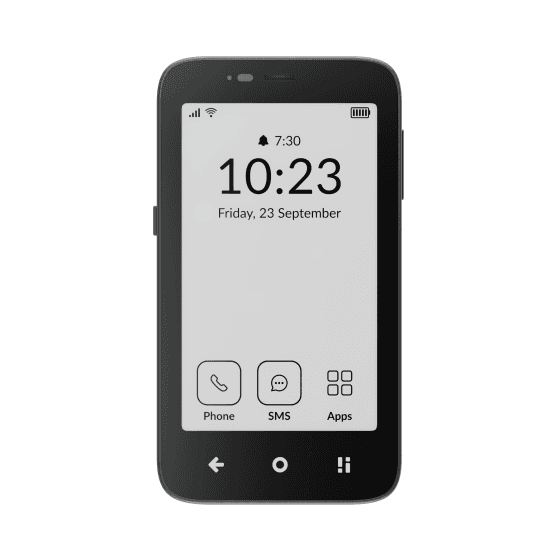 Mudita Kompakt
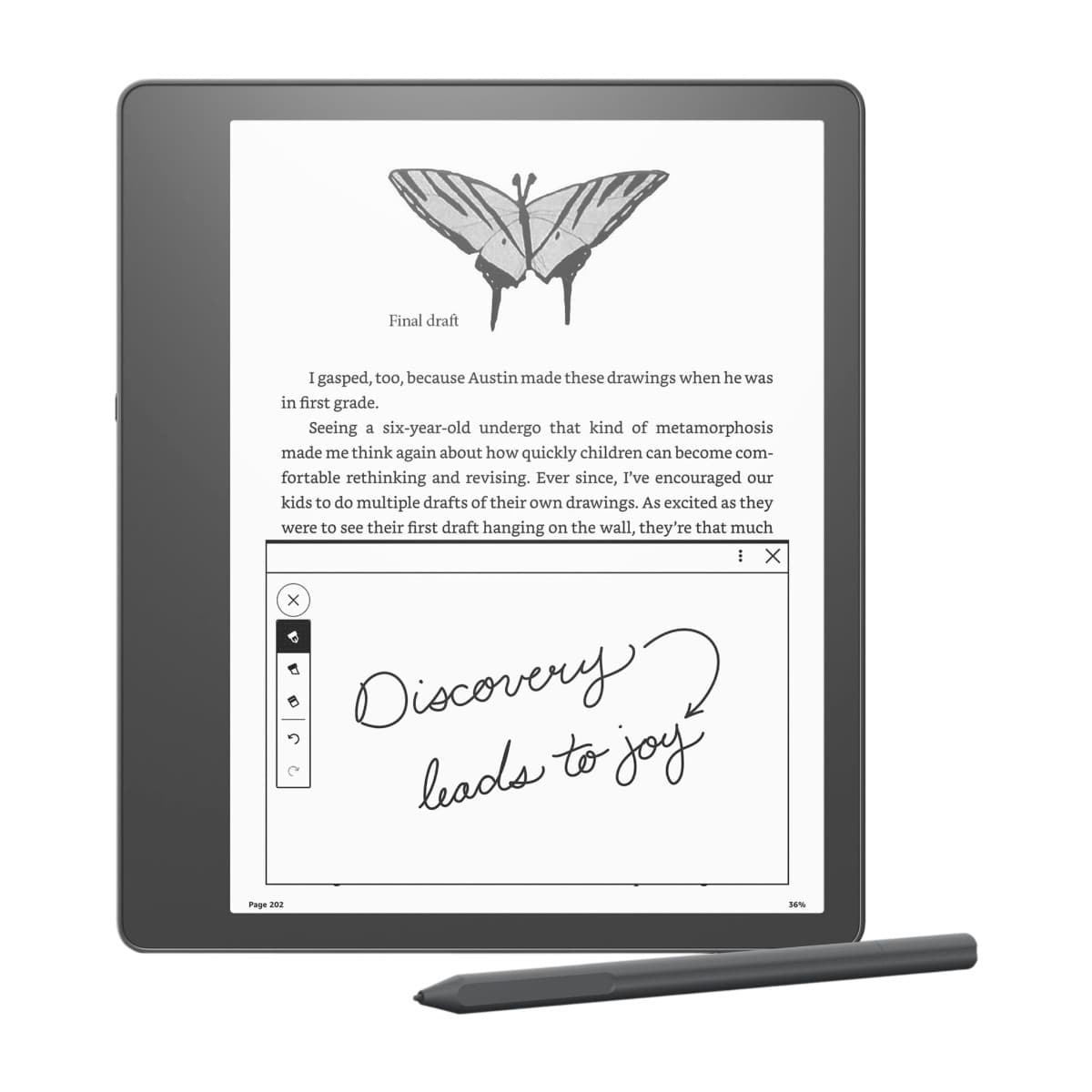 Kindle Scribe
 Smiling Mind
 Opal
Opal Balance
 Homie
Homie