Articles
The whole archive, newest first.
86 per cent of Norwegian kids game, and the research on gaming's ups and downs is more honest than the debate: plenty that does them good, some things that go wrong and very little of it decided by hours played. This guide gives you the three questions that matter more than playing time: what kind of game, with whom and where.

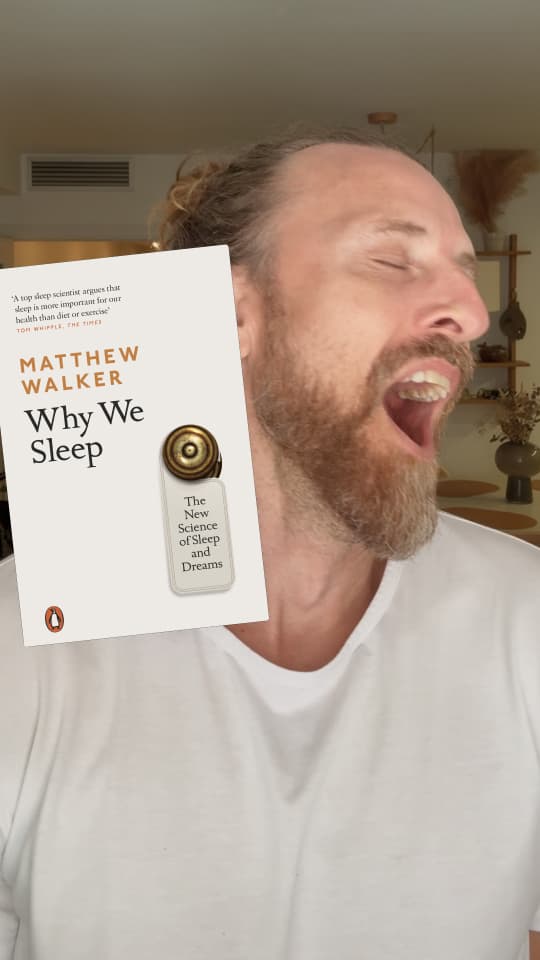
You've probably heard you should dim the lights and put the screens away an hour before bed. But did you know it matters just as much to bring your core body temperature down, and that the shower that helps is a warm one, not a cold one? Why We Sleep by sleep scientist Matthew Walker is one of the most interesting books I've read, packed with useful science for better sleep.

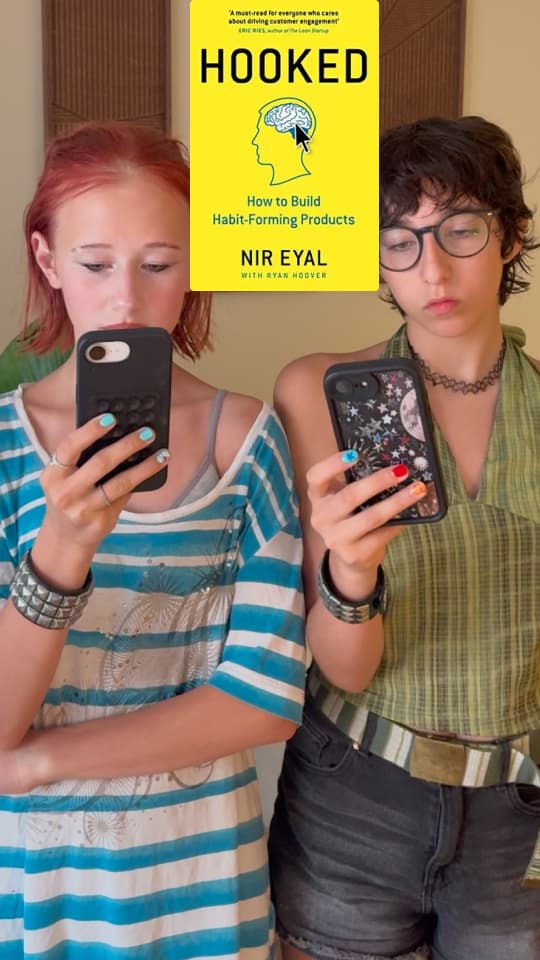
Trigger, action, variable reward, investment: the four-step loop from the book Hooked is the recipe behind the apps that are hardest to put down. This is how each step works, with the apps your kids use as the examples.

59 per cent of Norwegian kids between 9 and 16 use generative AI, and 85 per cent say their parents let them use it whenever they like. Here are the age limits that actually apply, the three ways AI gets things wrong, what the research says about homework and the settings worth changing tonight.

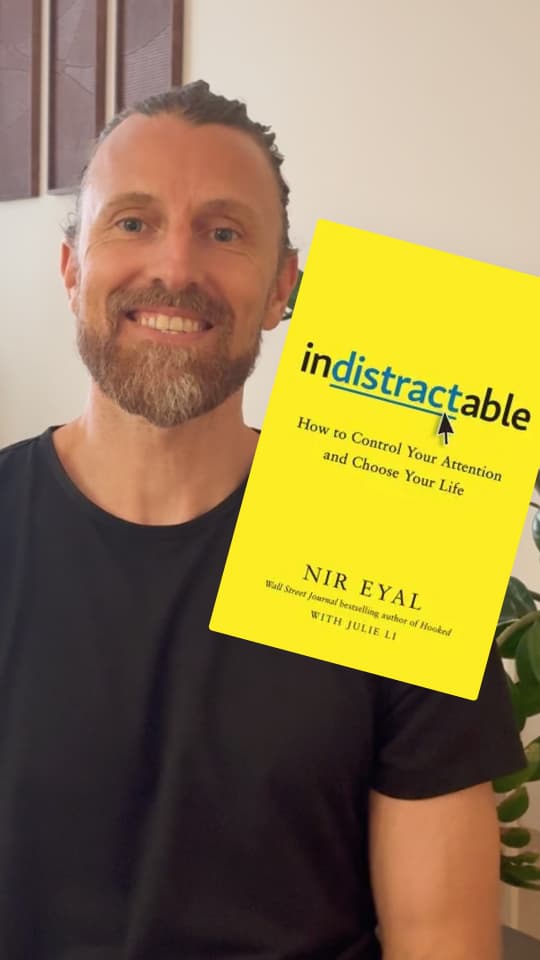
Nir Eyal wrote Hooked, the book about how apps get us hooked. Then he wrote the book about taking your focus back. On notifications that treat everything as equally urgent, and the one move that makes your phone a tool again.

One good talk loses to a thousand repetitions from the feed and their friends. Why repetition works, according to the research, and how to nag so the message actually sticks.

Your brain has a network of its own that wakes up only when you're not doing anything in particular. The research makes a strong case that boredom is underrated, and there's one concrete step you can take today.

Text strips away everything that makes a conversation safe: the voice, the eyes, the chance to clear things up. What can take text and what deserves a real conversation, the two questions to ask before anything is sent, and the door that has to stay open when something goes wrong.

What the research actually says about kids and social media, a quick tour of the apps they'll ask for, from Snapchat to Roblox, and the one principle that protects better than any age limit.

The Norwegian Directorate of Health's screen time ceilings for every age: no screens under 2, at most an hour for ages 2 to 5, an hour and a half for 6 to 12 and one and a half to three hours for teenagers. Just as important: why the limits exist and how to be your child's guide without the constant nagging.