Does taking the phone away actually help?
Rarely the way you hope. It ends tonight's battle, but it doesn't teach your child to put the phone down on their own.
Taking the phone works, in the moment. The screen is gone, the room goes quiet and you've made the point that enough is enough. The trouble is what comes next. The limit lived in your mood, not in any agreement, so the next row starts from scratch. And your child took away two lessons: the phone is something you lose when the mood turns, and the safest bet is to hide the scrolling better next time.
The research points the same way. A systematic review from 2020 pulled together the studies on how parents respond to problematic screen use in teenagers. Talking about media, explaining it and using it alongside your child went hand in hand with less problematic use. Restriction on its own didn't, and restriction without any conversation can backfire. Your child needs the reason, not just the confiscation.
What works better is taking the limit out of the conflict altogether:
- Let the limit live in the system, not in willpower. Time limits in Screen Time or Family Link, set up with your child on a calm evening, enforce themselves without you on police duty. The how-to is in the screen time guide.
- Keep an agreed break apart from a punishment. “The phone lives in the kitchen until homework's done” as a standing agreement is a world away from wrenching it out of their hands mid-argument. One is a rule your child knows. The other is a power struggle.
- Never confiscate in response to honesty. If your child has seen or sent something upsetting and brings it to you, and the phone gets taken, the lesson is simple: don't come next time. That closes the very door you need open.
Know a parent locked in a phone battle every evening? Send them this answer.
Sources
Comments
No comments yet. Be the first to say what you think.









 TikTok
 Roblox
 Snapchat
 Minecraft
 Fortnite
 YouTube
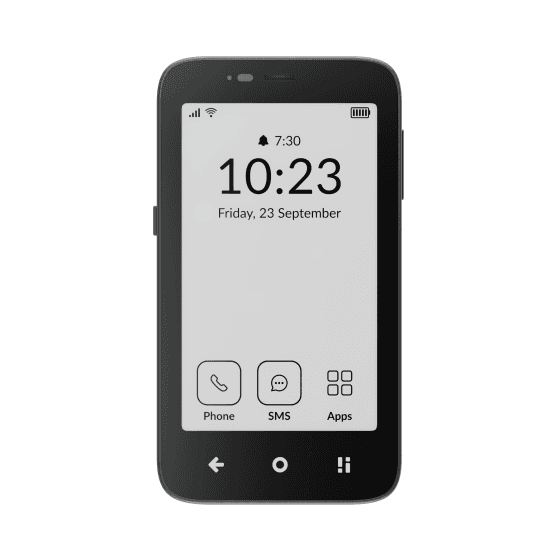 Mudita Kompakt
 Kindle Scribe
 Smiling Mind
 Opal
Opal Balance
 Homie
Homie