Which apps and how much screen time are OK for a 2 to 5 year old?
When my girls were nursery age, Norway had no official screen advice, so we parents guessed and googled our way through. Now the numbers exist, and they open this guide. The rest covers what numbers can't answer: which apps deserve a slot in a 2 to 5 year old's short screen time, and how to lay down habits now that will pay off for years.
Half an hour to an hour a day at most for a 2 to 5 year old, ideally less and ideally together with you. What kind of screen matters more than the minutes: made for kids, no ads, no autoplay, a clear ending. And the best part of this phase: you still decide everything, so the habits you set now cost almost nothing in effort or argument.
The answer first
Half an hour to an hour a day of free time at most, ideally less. That's the Norwegian Directorate of Health's advice for children between 2 and 5, and the WHO lands in the same place. In practice it works as a staircase: about half an hour at 2, rising towards an hour at 5.
But the time limit is only half the answer. At this age, what kind of screen and with whom matter at least as much as for how long. When I became a dad in 2011 there were no Norwegian numbers to lean on, and I've already confessed in the main screen time guide that In the Night Garden did more babysitting than I'm proud of. So here's the guide I could have used myself: how much, and which apps.
How much: the staircase from half an hour to an hour
The number is a ceiling. Whole days without a screen are perfectly fine for a 4 year old. Two parts of the advice deserve zero compromise, because they guard sleep: no screens in the last hour before bedtime and none in the bedroom. Children this age build body and brain while they sleep, and sleep is the last thing we want the screens helping themselves to.
Background screens count too. A TV that's always on steals from the small conversations language is built from, even when nobody's actually watching. And don't reach for the screen as comfort, or to buy quiet when your child is bored. Not because it works badly, but because it works too well. A child who always gets a screen in those moments never gets to practise being bored. Practising boredom sounds odd, I know, but I'd rank it among the exercises with the most lasting value, for kids and adults alike.
And now the best thing about this exact phase, which I didn't fully appreciate until my girls were older: you are the system. You start the screen and you stop it. No codes, no settings, no debate. The habits you lay down now are the cheapest you'll ever set, because keeping a good habit through the school years is far easier than installing a new one after the phone has moved in.
Which apps: what a good app looks like
I'm not going to hand you a top five list of apps for 3 year olds. Those lists are stale before they're published, and they teach you nothing about the next app your child points at. Criteria last. I call it “slow screen”, and you can hold any app up against the list:
- Made for kids. Not a kids' mode bolted onto an app built for adults.
- No ads, no pressure to buy. Nobody gets to sell things to a human being of three.
- No feed, no autoplay. When something ends, it ends, and a human chooses what's next.
- A calm pace and a clear ending. An episode, a book, a puzzle. Not a bottomless stream.
- Something to talk about. An app that gives the two of you a shared language beats one that merely keeps your child quiet.
The most important quality in an app for a 3 year old: it has an ending.
If you want one safe place to start, NRK Super is the whole idea put into practice: editorially curated, ad-free and made for Norwegian kids, which is exactly what the Directorate of Health asks for. And video calls with familiar faces aren't screen time worth worrying about. Real people who respond are the exception all the way down to age zero. FaceTime with grandma is company, not screen time.
One app has earned its own paragraph, because it's where most families end up: YouTube. Regular YouTube isn't built for this age; it comes with ads, a feed and autoplay in one package. If you end up there anyway, follow the YouTube recipe in the App Guide: YouTube Kids or a parent-managed account, autoplay off, and you in the room.
The filter I run every app through, big kids included: what does it give the child? Something creative, something social or something to learn earns its time. Scrolling as a way to pass the time leaves no lasting value behind. And the lovely thing about this age is that no 3 year old misses a feed they've never met. The rule we still run at home, no algorithmic feeds, has never been easier to introduce than it is now.
Talking with your kids
“The screen never says when it's had enough. It always wants one more. So I'm the one who says when. One more episode, then it's dinner.”
Closing thoughts
Mode beats minutes. Forty-five minutes of a film on the sofa together on a Saturday is not forty-five minutes alone with a stream of short videos. And the advice is meant as a compass. Every family has sick days, flights and worn-out evenings. Mine included. Nobody needs to feel ashamed of the exceptions; they're part of what defines the rule.
With daughters of 12 and 15, here's what I wish someone had told me when they were small: 2 to 5 is the easiest phase to steer, however it feels in the thick of it. The habits you lay down now, screens together, a clear ending, no feed, are the same ones I still lean on in the teenage years. Lay them while you're still the system, and you've laid the foundation for everything that comes after.
The toolbox
Four screen time steps that work for the youngest kids.
Know a parent of little ones who googles screen time after bedtime? Send them this.
Sources
- Helsedirektoratet: Barn 2–5 år bør begrense skjermbruk til maksimalt 0,5–1 time daglig ↗
- Helsedirektoratet: Barn under 2 år bør unngå skjerm (unntak: korte videosamtaler) ↗
- Helsedirektoratet: Skjermråd for barn og unge, samleside ↗
Show more sources (2)Show fewer sources
Comments
No comments yet. Be the first to say what you think.

 TikTok
 Roblox
 Snapchat
 Minecraft
 Fortnite
 YouTube
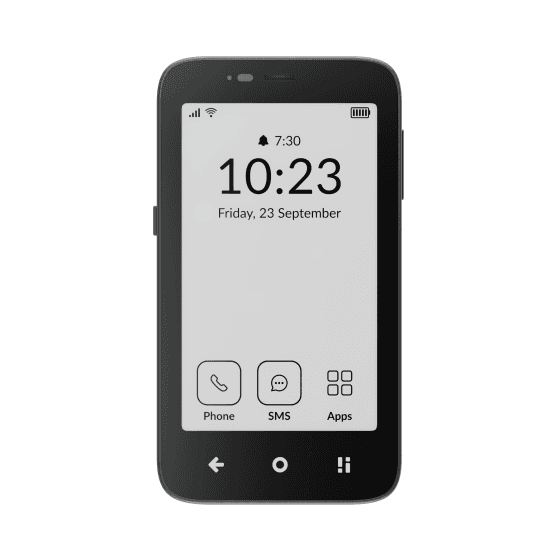 Mudita Kompakt
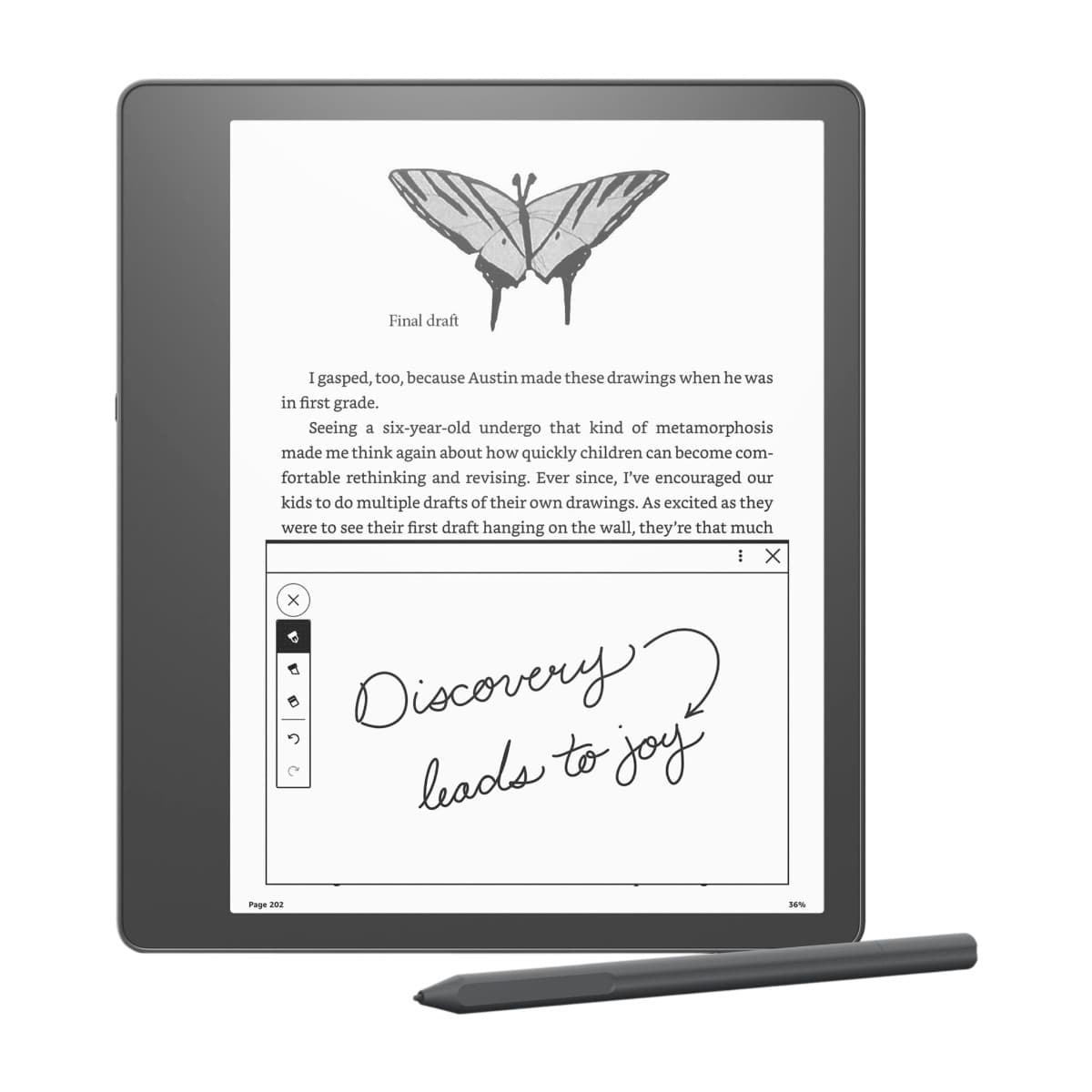 Kindle Scribe
 Smiling Mind
 Opal
Opal Balance
 Homie
Homie