How do I stop the nagging and whining about screens?
Be consistent. A child who learns that nagging never works gradually grows into smarter questions and better arguments.
Nagging. Whining. The two sounds every parent dreads. Before you can put a stop to them, it's worth understanding the mechanism that produces more of them.
It's the same mechanism that makes a feed hard to put down. A reward that arrives now and then, on no schedule you can predict, digs in far deeper than one that arrives every time. It's the third step of the Hooked model and the engine inside every slot machine. A no that occasionally becomes a yes trains the nagging in exactly the same way.
The single most important thing is to be consistent. Not strict, just predictable. And if you can manage it, deliver the no calmly, as if it were the most obvious thing in the world. Give in once out of ten and you haven't been consistent nine times. You've taught your child that ten attempts can pay off.
The lines I use at home, which have survived from nursery age into the teens:
- Nagging. “Have you ever once got something by nagging?” or “The more you nag, the less you get.” Both work surprisingly well, but only for as long as they stay true. The first time nagging wins, the lines are worthless.
- The whiny voice. I'm allergic to the whiny voice, which plenty of kids, mine included, drag all the way into their teens. With a bit of humour I've always gone with: “I don't speak whine, so you'll have to try that again in your normal voice.” It gives the child a way out that isn't a defeat.
Things are rarely black and white, and leading a family well doesn't mean following rules blindly. When a situation genuinely calls for an exception, make one. But make an occasion of it: tell your child exactly why you think an exception is right this time, and that you expect it not to fuel any nagging next time. I've repeated the same formula more times than I can count: the more you nag, the less you get.
If you can smell a contradiction in that last paragraph, let me explain. When I decide an exception is deserved, I don't grant it if nagging would be what earned it, only if a question did. More than once I've said: “You know what? If you'd asked me properly instead of nagging, I'd actually have made an exception today. But I don't want you learning that nagging gets you anywhere, so next time try just asking nicely.”
And the limit still needs a reason attached. A child who knows why nags less than a child who only got a no. Consistency without a reason is just power, and power stops working around the time your child grows big enough to argue back.
If it's the framework itself you're after, the numbers, the time limits and how to set them up, it's all in the full guide to screen time and time limits.
Know someone else who's allergic to nagging and whining? Send them this answer.
Sources
- Humphreys (1939): The effect of random alternation of reinforcement on the acquisition and extinction of conditioned eyelid reactions, Journal of Experimental Psychology ↗
- Oregon Social Learning Center: Family based interventions for child antisocial behavior, overview of Patterson's coercion model ↗
- Gardner (1989): Inconsistent parenting, is there evidence for a link with children's conduct problems? Journal of Abnormal Child Psychology ↗
- Vanderbilt University (EBIP): Differential reinforcement, evidence-based instructional practices ↗
Comments
No comments yet. Be the first to say what you think.






 TikTok
 Roblox
 Snapchat
 Minecraft
 Fortnite
 YouTube
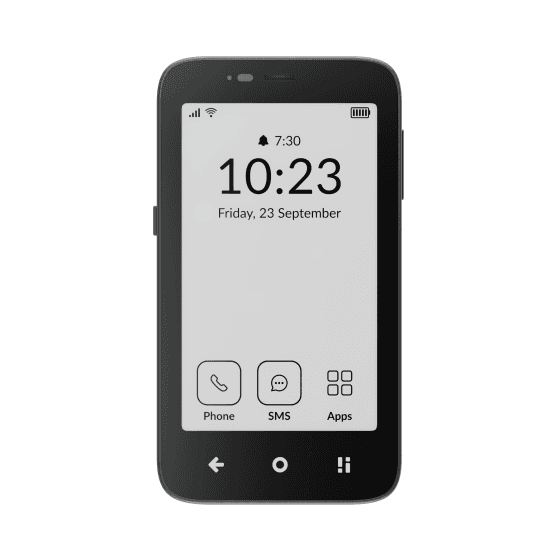 Mudita Kompakt
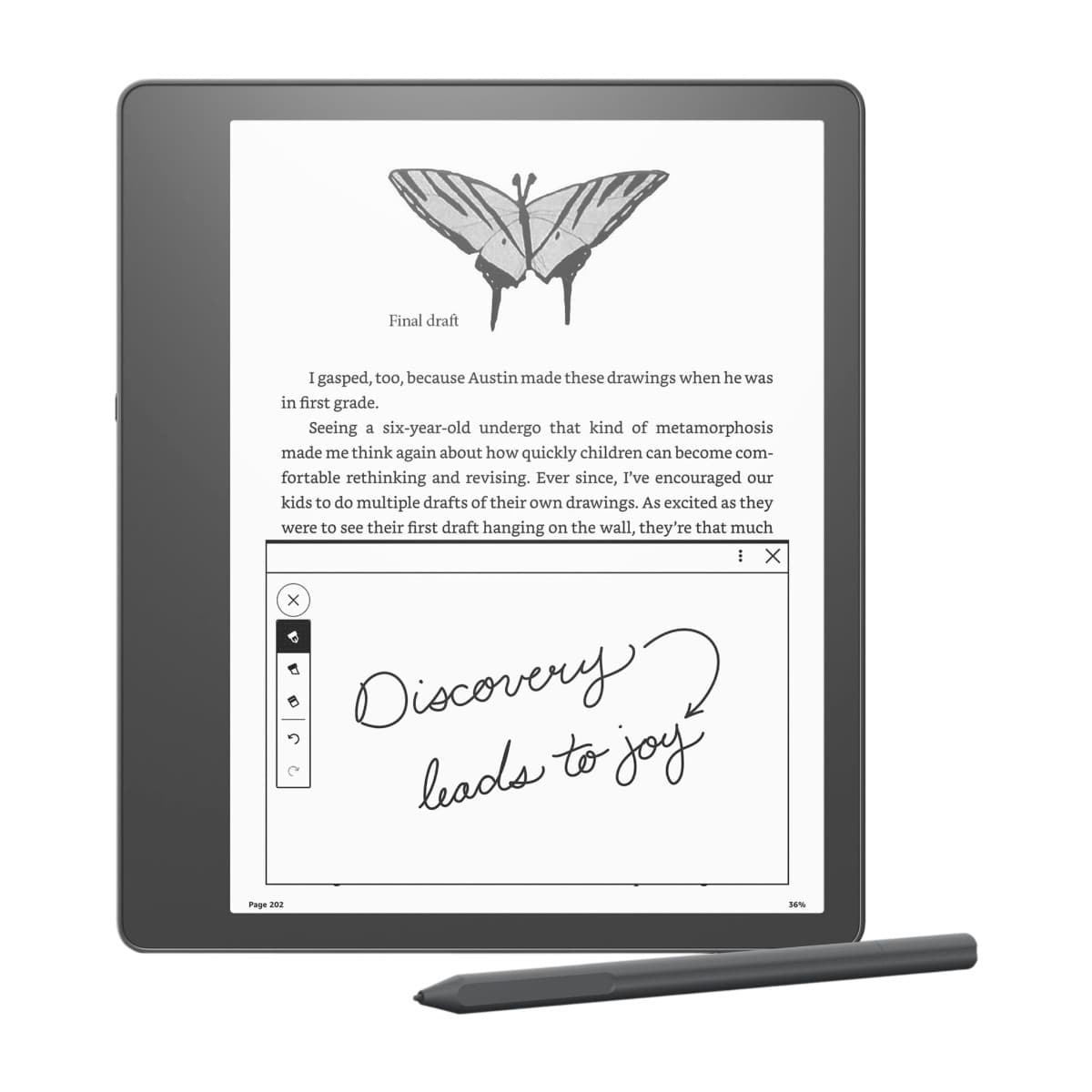 Kindle Scribe
 Smiling Mind
 Opal
Opal Balance
 Homie
Homie